Why Choose an Inverter Air Conditioner?
Inverter air-conditioners differ from conventional fixed-speed units in that the compressor motor can vary its speed (rather than simply turning on/off). That delivers several advantages:
- More stable room temperature (because the unit doesn’t cycle fully on/off).
- Lower peak current draw and better partial-load efficiency → less electricity consumed.
- Quieter operation (because motor isn’t always starting/stopping).
- Longer lifespan for the compressor since fewer start/stop cycles.
Given rising electricity costs in Pakistan, an inverter AC is a smart investment if you use it for many hours/day.
Key Features to Look for in an Energy-Efficient AC
When shopping for an inverter AC (especially in Pakistan), make sure you check the following:
- Inverter / full-DC compressor — Ensure the model says “DC Inverter”, “G10 inverter”, “T3 compressor” etc.
- Appropriate tonnage — Undersized for the room = inefficient. Oversized = short-cycling and less efficient.
- Star-rating / energy efficiency / EER / SEER — A higher efficiency rating means less electricity for same cooling.
- Low-voltage / wide-voltage start capability — In Pakistan’s unstable grid, this helps.
- Tropicalised / high ambient performance (T3 rating) — For Karachi/Lahore etc., unit should cope with high ambient temps.
- Good brand/service & warranty — Compressor warranty (often 10 years) and local service presence matter.
- Installation & maintenance — Even best ACs perform poorly if installation is bad (poor insulation, wrong size, improper piping).
Best Inverter AC Models in Pakistan
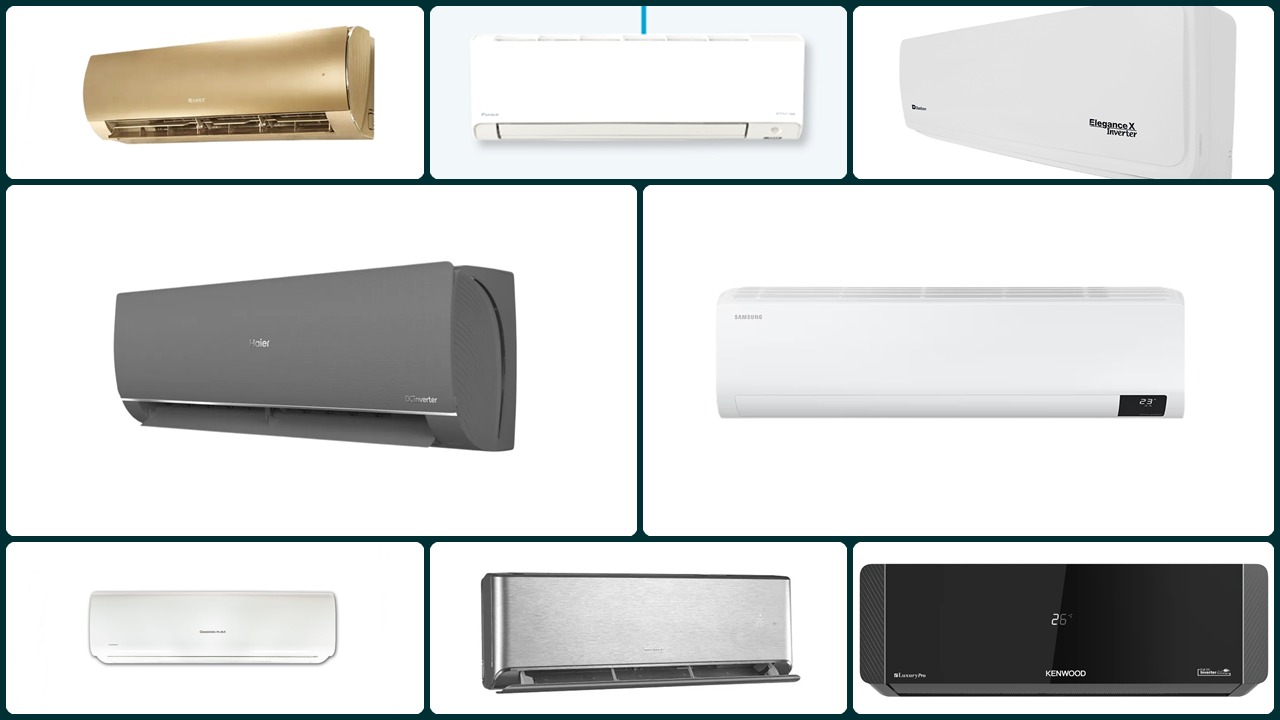
Here are five strong contenders in the Pakistani market (not exhaustive, but good picks). Prices vary by tonnage, features & location.
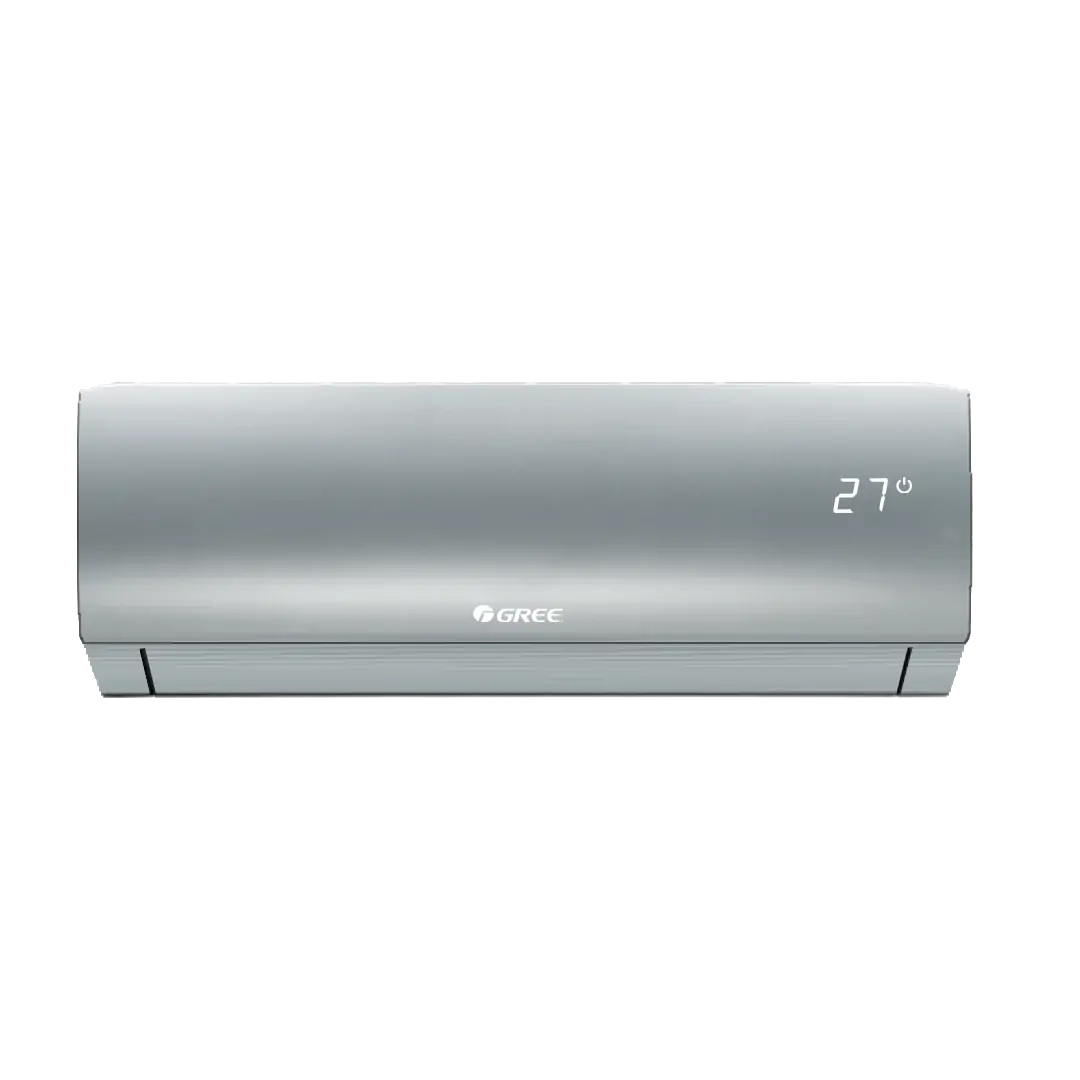
1. Gree Inverter AC


4
Why it’s good: Gree’s inverter models are well-represented in Pakistan; for example a 1.5 ton inverter split GS-18PITH11W AAA is listed with competitive pricing. japanelectronics.com.pk+2japanelectronics.com.pk+2 According to local price listing: “Gree Inverter AC … uses special technology to save electricity and keep the temperature just right.” japanelectronics.com.pk Gree also offers 10-year compressor warranty according to one listing. AYS Online
Vibes/Tips: Good for mainstream buyers who want an established brand. Check whether the model is the full-DC inverter version (not just “inverter labelled” but fixed-speed). Ensure you compare star rating.
Note: Because Gree has many variants, always check the exact model’s efficiency rating.
2. Haier Inverter Series


4
Why it’s good: Haier lists inverter models (eg 1.0 ton HSU-14HFTEX OW (T3)) in Pakistan that claim DC inverter, low-voltage start, high efficiency. japanelectronics.com.pk
Vibes/Tips: Haier often advertises “WiFi control”, “Turbo mode”, “quiet operation” in these models. If you’re tech-savvy and want a few extra features (like WiFi), Haier might be a good pick. But verify service availability in your city.
Note: The extra features may add cost—focus on energy efficiency rather than bells & whistles.
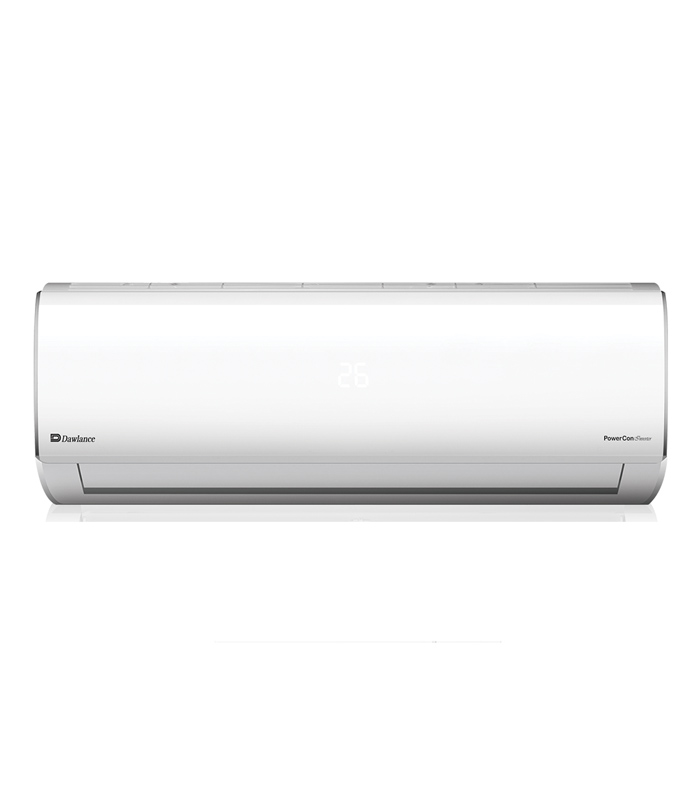
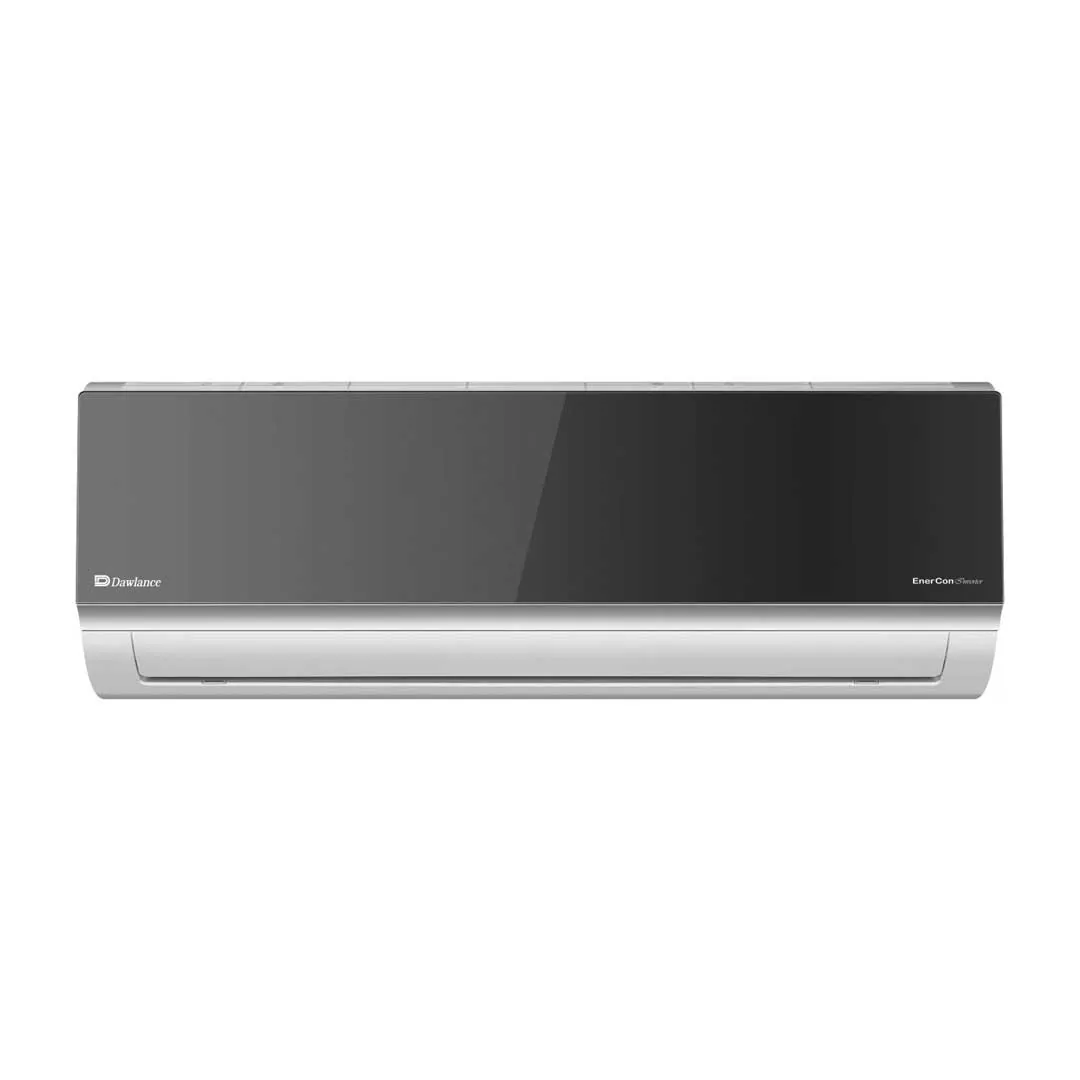
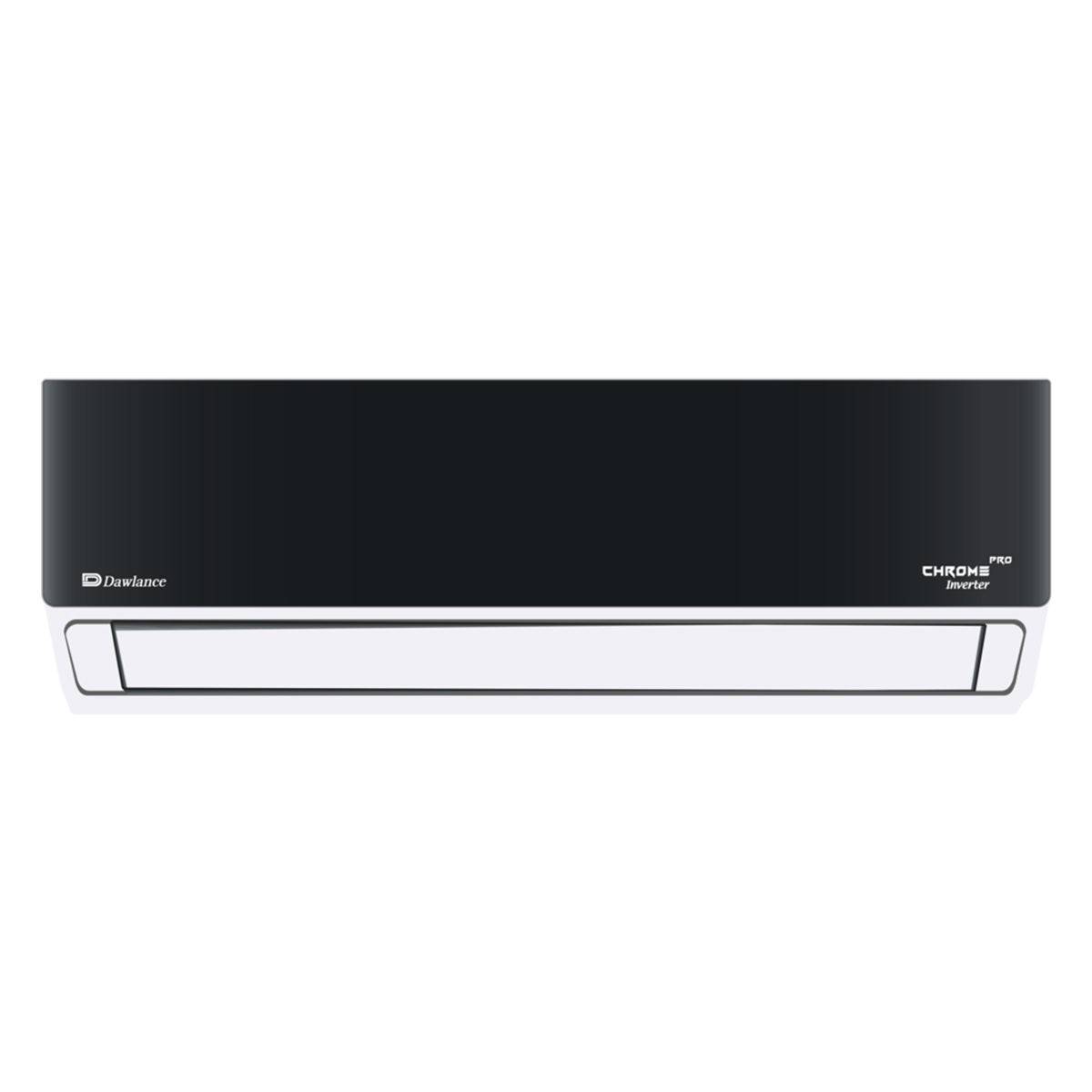
3. Dawlance PowerCon Model
4
Why it’s good: Dawlance is a Pakistani-familiar brand (local manufacturing). The “PowerCon” inverter split is listed in Pakistan with attractive pricing (e.g., 1.0 ton split inverter Powercon X15). japanelectronics.com.pk+1 Local brands often have better service coverage and spare parts access.
Vibes/Tips: For buyers in smaller cities (outside major metro), local brand + service coverage may tip balance.
Note: Even with local brand, check the actual technical specs (EER/SEER, compressor type) and ensure proper installation.
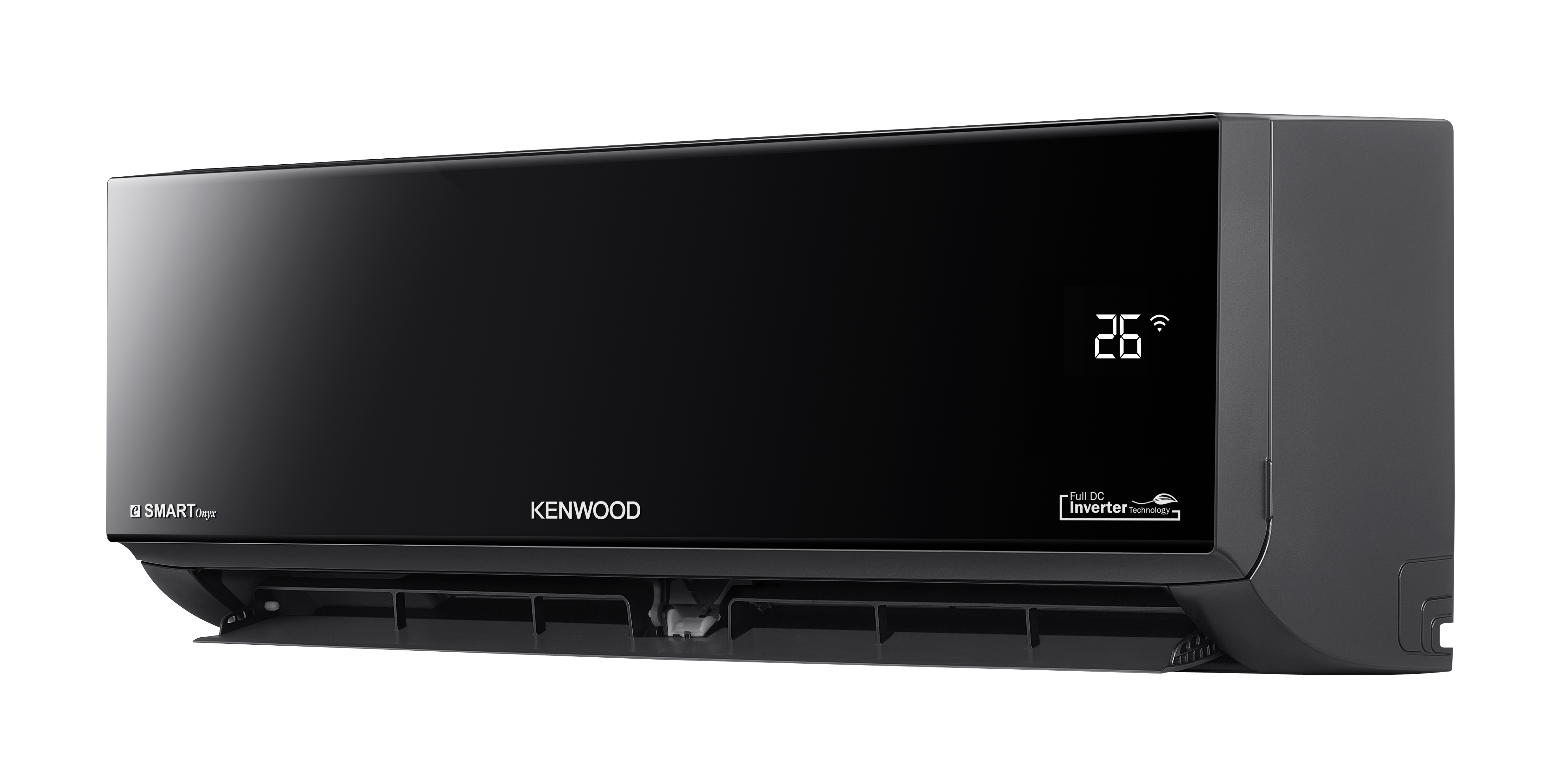
4. Kenwood eSmart Series


4
Why it’s good: According to user discussion (Reddit / Pakistani tech-forum) the Kenwood 1866S was recommended as “the best of the best” in terms of features & efficiency in local market:
“Go for Kenwood 1866s … if you want best of the best” Reddit
And price listings show Kenwood inverter models present (e.g., 1.5 ton E Smart Onyx T3 listed). Friends Home
Vibes/Tips: If budget allows and you want higher specification (e.g., dual-rotary compressor, better EER) then Kenwood could be the premium pick.
Note: Premium often comes with premium price—ensure you’re getting value relative to your usage.
5. Orient Ultron Series
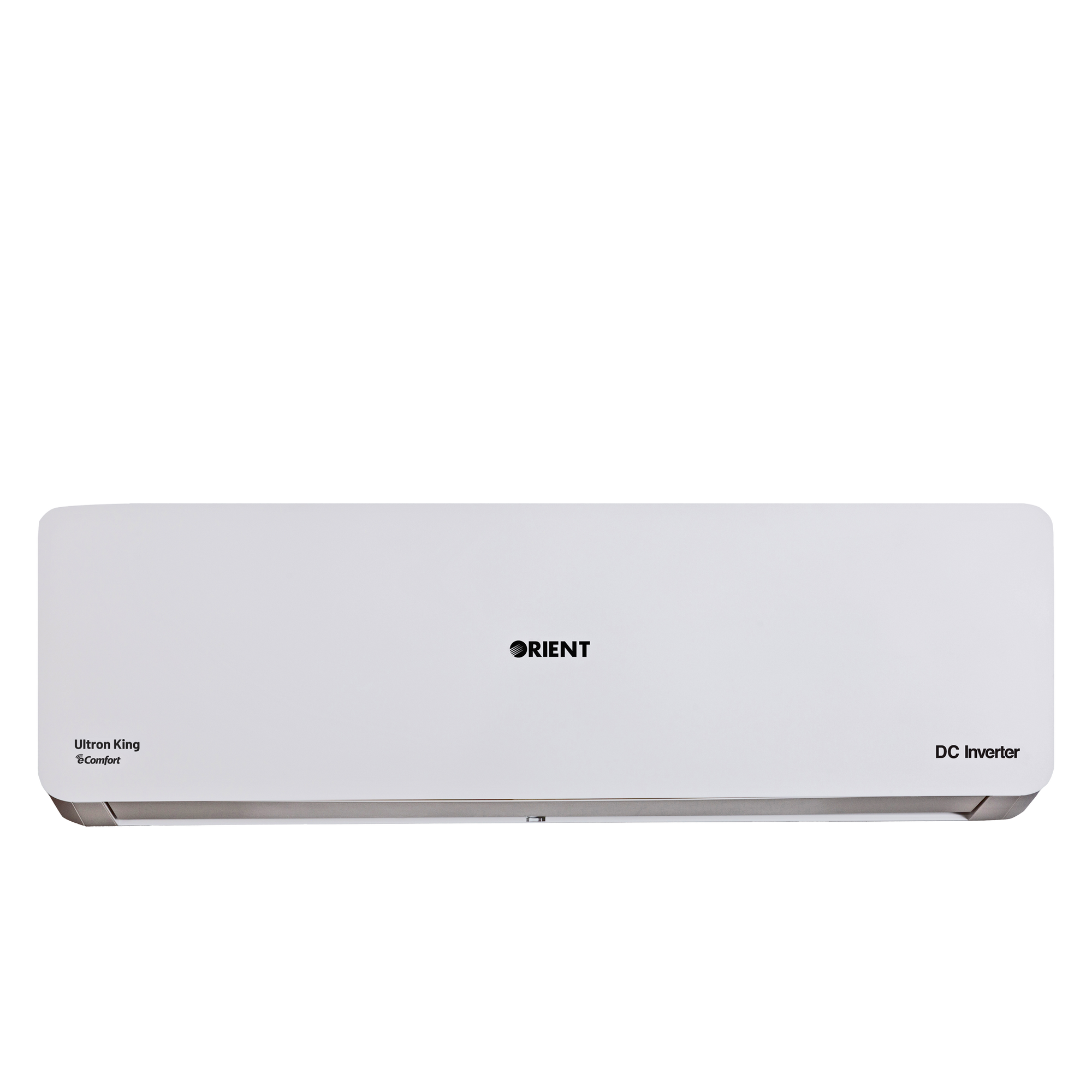
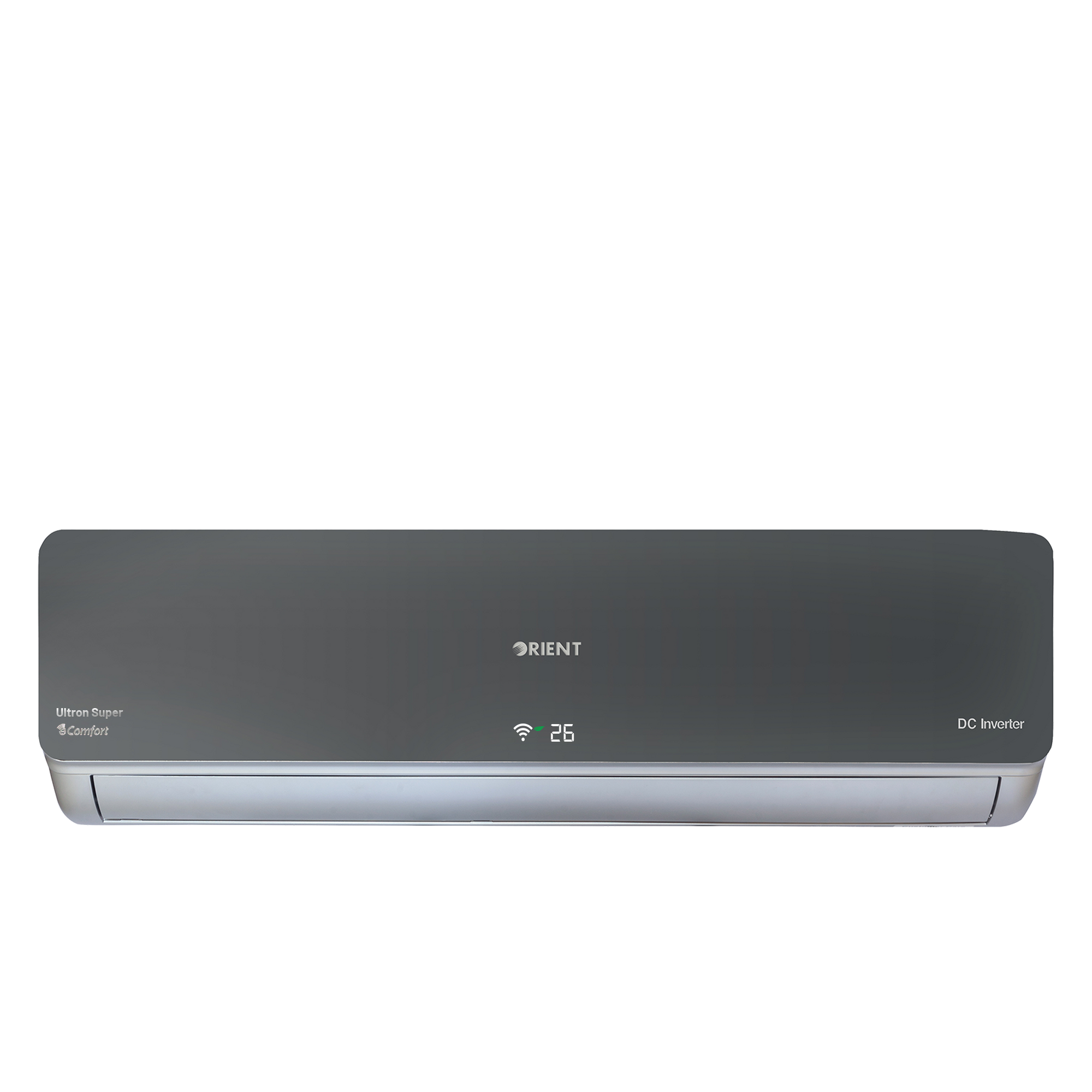
Why it’s good: Orient’s listings show “Ultron EComfort DC Inverter” models (e.g., 1.0 ton 12G LUNAR). Friends Home+1 They advertise features like “T3 tropicalised inverter: yes” and “Japanese PCB Kit” etc. japanelectronics.com.pk
Vibes/Tips: A good option if you want a slightly more budget-friendly inverter model but with decent brand backing.
Note: As with any model, actual performance depends on proper installation and matching tonnage to room size.
Comparison Table – Energy Efficiency and Cooling Capacity
Here’s a comparative summary (approximate and generic) based on typical models available in Pakistan:
| Brand/Model | Capacity (Ton) | Estimated Room Size* | Efficiency Features |
|---|---|---|---|
| Gree Inverter AC | 1.0 or 1.5 | ~100–150 sq ft (1-Ton) / ~150–225 sq ft (1.5-Ton) | Full DC inverter, tropicalised compressor |
| Haier Inverter Series | 1.0 / 1.5 | similar | DC inverter, low-voltage start, WiFi option |
| Dawlance PowerCon | 1.0 / 1.5 | similar | Inverter split, local service & parts |
| Kenwood eSmart Series | 1.5 | ~150–225 sq ft | Premium spec, higher EER, dual rotary etc. |
| Orient Ultron Series | 1.0 / 1.5 | similar | T3 tropicalised, Japanese PCB kit etc. |
*Room size is approximate guideline; actual requirements vary with insulation, sun exposure, number of occupants, etc.
Notes:
- If your hall is large (300 sq ft+), you may need a 2 Ton or more inverter model; many of the listed brands offer that too.
- Efficiency gains are best realized when the unit is the correct size, well installed, and run on appropriate mode (e.g., not full blast all the time).
- Compare EER/SEER ratings if available, and look for “T3” rating (for high ambient temp) in Pakistani conditions.
Best AC for Small Rooms vs Large Halls
- Small rooms (≤ ~120 sq ft): A 1-Ton inverter unit is usually sufficient. Look for brands/models from the list above that offer 1.0 Ton inverter splits; e.g., Gree 1-Ton inverter GS-12PITH11W, Orient 1-Ton Ultron series etc.
- Medium rooms (~150-225 sq ft): A 1.5-Ton inverter AC is more appropriate. Many of the models above in 1.5 Ton size.
- Large halls / open plan (> ~225-300-sq ft): Consider 2.0 Ton or higher, and ensure the brand supports that tonnage with inverter technology. Also check air-flow distribution, maybe multiple units if the space is irregular.
- Other considerations: High ceilings, large glass windows, sunlight exposure will increase required capacity. Insulation and shading help reduce load.
FAQ Section
Q1: How much electricity does an inverter AC save annually?
There’s no one-size number because savings depend heavily on usage hours, local electricity tariff, ambient temperature, tonnage, and how well the unit is sized and installed. Generally speaking, inverter ACs can reduce electricity consumption by 20-40% (or even more) compared to conventional non-inverter fixed-speed units under many conditions. ⇒ In Pakistan’s context: if a conventional 1.5 Ton non-inverter AC might draw e.g., 1.8-2.2 kW when running, and the inverter version might average less or run for fewer hours at full power, over many hours/days that adds up. For a rough idea: if you run 8 hours/day for 120 days at peak summer, the difference can be several thousand Pakistani rupees in bill savings.
Tip: Check actual wattage input and compute: kW × hours × tariff = cost.
Q2: Which brand offers the best after-sales service?
In Pakistan, brand service coverage is crucial: local presence of service centres & availability of spare parts matter. Brands like Dawlance (local manufacturing) may have an advantage in smaller cities. Bigger international brands (Gree, Haier, Kenwood, Orient) also have service networks in major metro areas. Always check:
- Local authorized service centre in your city.
- Labour + parts warranty.
- Availability of spare parts (compressor, PCB board).
- Reviews from other customers in your area. For example, one Reddit thread said:
“Go for Kenwood 1866s… if you want best of the best” when factoring overall value. Reddit
So in that community, Kenwood’s service/quality was seen positively. But service may vary by city & installer.
Q3: Can inverter ACs run on solar power or UPS?
Yes — many inverter ACs can run on solar power or UPS, though there are important caveats:
- The starting current (inrush) for the compressor can still be high; a good inverter AC with soft start is better.
- Your solar/UPS system must be sized appropriately (output kW, continuous power, battery/backup capacity).
- If you’re using UPS or solar, check whether the AC’s compressor is compatible with the inverter/UPS waveform (pure sine vs modified).
- If grid-voltage fluctuates heavily (common in Pakistan), the AC may benefit from a voltage stabiliser or a UPS that handles surge/low-voltage.
- Running on solar is more viable if you have high irradiance, large solar array and battery/storage — for a full AC run it’s more challenging unless the system is designed for it.
In short: yes, but only if the supporting system is properly sized and compatible.
No responses yet